Bollinger Bands: Trading Volatility Like a Pro
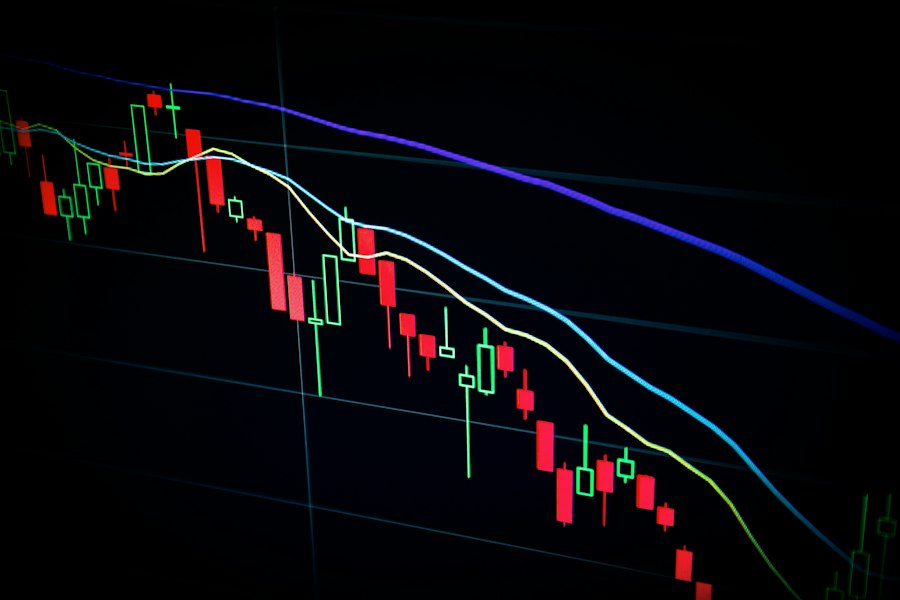
Bollinger Bands are unique among indicators because they measure volatility itself, not just price direction. Day 11 teaches you the Squeeze, the Breakout, and the Walk.
Bollinger Band Construction
Statistically, ~95% of price action falls within the bands. When price touches the upper band — it's 2 standard deviations above the 20-day average. That's extreme.
The Three Key Patterns
1. The Squeeze
Bands narrow to their tightest point in months. Volatility is compressed. A major move is building — direction unknown yet. Wait for the breakout direction, then trade accordingly.
2. The Breakout
Price closes outside the bands on high volume. This confirms a genuine directional move is starting. Not a mean-reversion signal — rather, follow the breakout.
3. The Walk
In a strong uptrend, price "walks" along the upper band — touching it multiple sessions in a row. Don't short just because price is at the upper band. This is a strength signal.