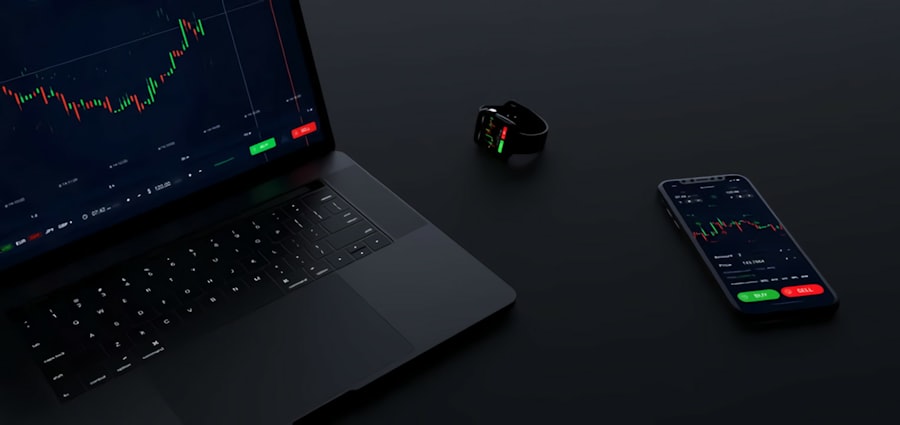
Candlestick charts are the language of technical analysis. Master the basics today and you'll read charts like a pro by end of week.
Anatomy of One Candle
Each candle represents price action for a specific time period (1 min, 15 min, 1 day, etc.)
Bullish Candle (Green/White)Close > Open. Buyers dominated. Body = Open to Close. Upper wick = High. Lower wick = Low.
Bearish Candle (Red/Black)Close < Open. Sellers dominated. Same anatomy but direction reversed.
Key Single Candle Patterns
Doji
Open ≈ Close. Tiny body, long wicks. Signals indecision — market is at a tipping point. Most powerful at support/resistance levels.
Hammer
Small body at the top, long lower wick (2× body minimum). Appears after a downtrend. Signals bullish reversal. Buyers rejected lower prices forcefully.
Shooting Star
Small body at the bottom, long upper wick. Appears after an uptrend. Signals bearish reversal. Sellers rejected higher prices.
Engulfing Patterns
Bullish Engulfing: A large green candle completely engulfs the prior red candle. Strong reversal signal at support. Bearish Engulfing: Vice versa at resistance.
def is_hammer(open_p, high, low, close):
body = abs(close - open_p)
lower_wick = open_p - low if close > open_p else close - low
upper_wick = high - max(open_p, close)
return (
lower_wick >= 2 * body and
upper_wick <= 0.1 * body and
body > 0
)
Time Frames Matter
For Intraday
Use 5-min, 15-min charts. Noise is higher but entries are precise.
For Swing/Positional
Use Daily and Weekly charts. Signals are more reliable and less noise.
The Golden Rule
No Candle in IsolationNever trade a single candle pattern without context: trend direction, support/resistance level, volume confirmation, and higher timeframe alignment.
Today's Practice
Open TradingView. Pick any Nifty 50 stock. Switch to Daily chart. Find 3 Hammers or Engulfing patterns in the last 6 months. Note what happened next.